
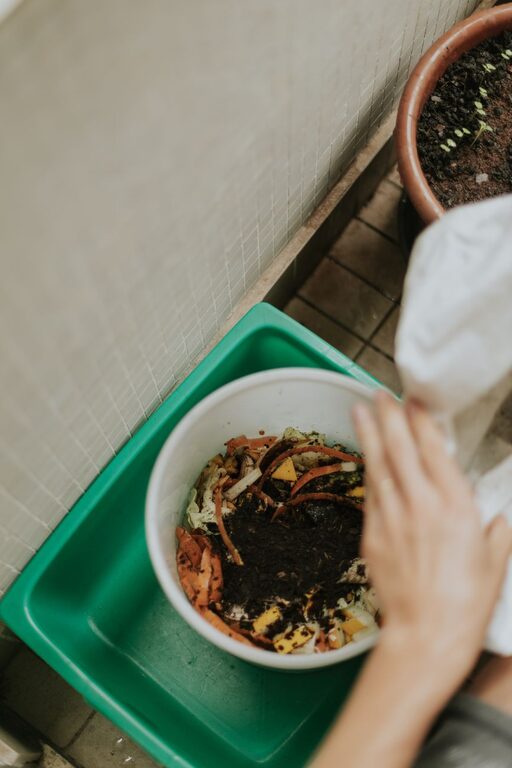
Composting is an eco-friendly way to reduce waste and create nutrient-rich soil for your garden. If you’re new to composting, it might seem a little overwhelming at first, but it’s easier than you think. With just a few simple steps, you can start turning everyday kitchen scraps and yard waste into valuable compost right at home.
What is Composting?
Composting is the natural process of recycling organic matter, such as food scraps and garden waste, into a rich soil amendment. This “black gold” enriches your garden soil, helps retain moisture, and supports healthy plant growth.
Why Compost at Home?
– Reduces waste: Composting keeps organic waste out of landfills, which helps reduce methane emissions.
– Saves money: You can save money on fertilizers and soil conditioners.
– Improves soil: Compost adds nutrients and beneficial microbes that improve soil structure.
– Supports sustainability: Composting is a simple step toward living more sustainably.
Getting Started: What You Need
Before you begin, gather the essentials to make composting easy:
– A compost bin or pile: You can buy a bin or make a compost pile in your yard.
– Organic materials: Kitchen scraps, yard waste, paper, and cardboard.
– Water source: Moisture is important to help break down materials.
– A pitchfork or garden fork: For turning the compost.
Choosing a Compost Bin or Location
You can compost in a variety of ways depending on your space:
Compost Bin Options
– Tumbler bins: These bins rotate, making it easy to turn the compost.
– Stationary bins: Large containers that hold your materials in one spot.
– Compost pile: Simply pick a spot in your yard to start a pile if you have space.
Placement Tips
– Choose a spot that is convenient and has good drainage.
– Partial shade is best to keep the compost from drying out too quickly.
– Avoid placing it too close to your house or wooden structures to prevent pests and odors.
What to Compost: The Basics
Your compost needs a balance of “greens” and “browns.”
Greens (Nitrogen-rich materials)
– Fruit and vegetable scraps
– Coffee grounds and filters
– Grass clippings
– Fresh garden waste
Browns (Carbon-rich materials)
– Dry leaves
– Straw or hay
– Shredded newspaper and cardboard
– Wood chips and sawdust (untreated)
Avoid Composting
– Meat, dairy, and oily foods (can attract pests)
– Diseased plants
– Pet waste
– Treated wood or chemically treated materials
How to Build Your Compost Pile
- **Start with a layer of browns:** Lay down twigs or straw to help with airflow.
- **Add greens and browns alternately:** Aim for roughly equal amounts to keep the balance.
- **Moisten the pile:** It should feel like a wrung-out sponge — damp but not soaking wet.
- **Turn the pile regularly:** Use your pitchfork every 1-2 weeks to mix materials and add oxygen.
Caring for Your Compost
Keep it Moist
Water your pile if it becomes dry, particularly in hot weather, to encourage decomposition.
Turn it Often
Turning your compost aerates it, speeding up the breakdown of materials.
Monitor Temperature
A warm compost pile (between 130°F and 160°F) breaks down faster, but beginners don’t need to measure this unless using more advanced methods.
How Long Does Composting Take?
The composting process can take anywhere from 2 months to a year depending on factors like:
– The balance of greens and browns
– How often you turn it
– Temperature and moisture levels
– Size and type of materials
Finished compost looks dark, crumbly, and smells earthy.
Using Your Compost
– Mix compost into garden beds to improve soil nutrition.
– Use it as mulch around plants to conserve moisture.
– Add it to potted plants to boost growth.
Troubleshooting Common Problems
| Problem | Cause | Solution |
|——————–|———————————-|———————————|
| Bad odors | Too many greens or wet materials | Add more browns, turn pile |
| Pests or rodents | Food scraps like meat or dairy | Avoid these scraps, cover pile |
| Compost too dry | Lack of water | Add water and turn pile |
| Slow decomposition | Poor aeration or imbalance | Turn pile regularly, add greens |
Final Thoughts
Starting a compost pile at home is a great way to reduce waste and create healthy soil for your garden. It takes a little effort, but with the right balance and care, you’ll soon have nutrient-rich compost to help your plants thrive.
Remember, composting is a learning process. Don’t worry about making mistakes. Over time, you’ll get a feel for what works best in your space, and you’ll enjoy the benefits of turning your scraps into garden gold. Happy composting!