
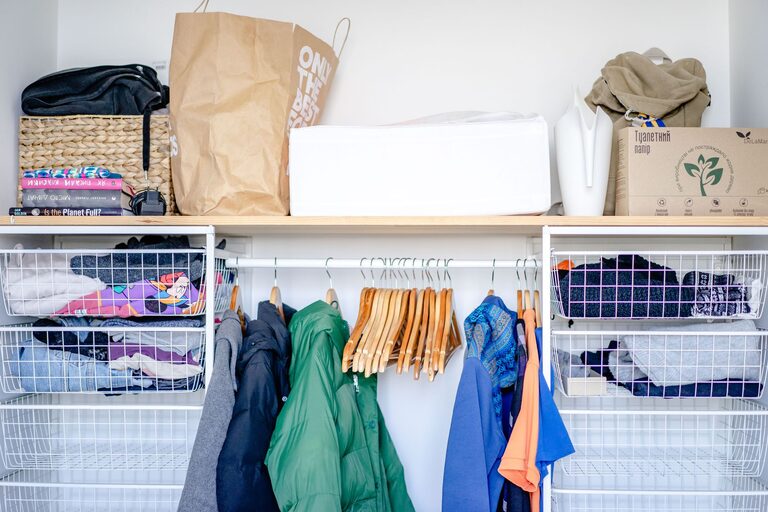
Storing seasonal clothes efficiently is essential for keeping your wardrobe organized and your living space clutter-free. Whether you’re packing away winter coats or summer dresses, proper storage methods help maintain the condition of your clothes and make it easier to switch wardrobes when the seasons change. In this post, we’ll guide you through practical steps and tips to store seasonal clothes efficiently.
Why Efficient Seasonal Storage Matters
When you don’t have a system for storing off-season clothes, you might find yourself dealing with clutter, wrinkled clothing, or even damaged items. Efficient storage solves these problems by:
– Maximizing closet and storage space
– Protecting clothes from dust, moisture, and pests
– Making it easier to find and access your clothes when needed
Assess Your Clothing Before Storing
Before packing clothes away, it’s a good idea to review what you plan to store. This gives you a chance to declutter and ensure only items you truly need are kept.
Sort and Declutter
– Separate clothes by season and type.
– Decide which items you want to keep, donate, or discard.
– Avoid storing stained or damaged clothing until it’s cleaned or repaired.
Clean Everything
– Wash or dry-clean clothes before storage to prevent stains from setting and to deter pests.
– Ensure all items are completely dry to avoid mold and mildew.
Choose the Right Storage Containers
Selecting appropriate containers can greatly affect the condition of your clothes during storage.
Storage Options
– Plastic Bins with Lids: These are airtight and protect clothes from moisture and pests.
– Fabric Storage Bags: Breathable and gentle on delicate fabrics, though less protective against pests.
– Vacuum-Sealed Bags: Great for saving space, but be cautious with delicate or natural fibers, as compression can cause wrinkles or damage.
– Under-bed Storage Boxes: Convenient for limited spaces and easy access.
Label Clearly
Always label your storage containers with contents and season for easy identification later. Use a permanent marker or printed labels for clarity.
Prepare Clothes for Storage
Proper preparation helps maintain your clothes’ shape and quality.
Fold or Hang?
– Folding: Best for most clothes, especially knitwear and delicate items that may stretch on hangers.
– Hanging: Works best for coats, dresses, and items prone to wrinkles. Use padded hangers to maintain shape.
Use Protective Covers
For hanging clothes, consider garment bags made of breathable fabric. Avoid plastic covers, which can trap moisture.
Add Protection Against Pests
– Use cedar blocks, lavender sachets, or mothballs (with caution) inside containers to keep moths and insects away.
– Avoid direct contact between these products and your clothes by placing them in small breathable bags.
Store Clothes in a Suitable Environment
The location where you store your seasonal clothes matters a lot. Choose a space that is:
– Cool and Dry: Avoid basements or attics prone to dampness or extreme temperatures.
– Away from Direct Sunlight: Sunlight can fade fabrics over time.
– Well-Ventilated: Proper airflow helps prevent mold and mildew.
Organize for Easy Access
Arrange your stored clothes in a way that makes switching seasons hassle-free.
Group Similar Items
Store clothes by category (e.g., sweaters, pants, accessories) within your containers or bags for easier retrieval.
Rotate Seasonally
Keep current season clothes accessible in your main closet. At the start of each season, swap out your storage containers and reorganize.
Additional Tips for Long-Term Storage
– Avoid overcrowding containers to reduce wrinkles and fabric stress.
– Periodically check stored clothes for any signs of damage or moisture.
– Refresh scents by replacing sachets annually.
Conclusion
Efficiently storing your seasonal clothes doesn’t have to be a chore. By sorting, cleaning, choosing the right containers, and storing in a good environment, you can protect your wardrobe and enjoy a tidy, organized space throughout the year. With these tips, changing your wardrobe for the seasons will be easier and more enjoyable.
Happy organizing!